

Cart
0
-
 Add to CartGensetPlus 1800kva Container Type Generator 4016tag1a 1.5 Mw diesel Generator Prime Power diesel Generator for Factory UseRegular price $33,000.00
$49,500.00Sale price -

 Add to CartGensetPlus High Voltage 1000KW/1200kw/1500kw Gas Generator with Remote Start MTU/Weichai/Baudouin for Data Center 10.5KV Power GeneratorRegular price $200,000.00
$300,000.00Sale price -

 Add to CartGensetPlus Containerized 2MW 3MW 4MW Natural Gas Generator Set Powered by Cumm K50-G10 Engine Synchronous ParallelRegular price $578,000.00
$867,000.00Sale price -

 Add to CartGensetPlus 10KW 30KW 50KW Genset Diesel Generator 3 Phase Industrial Silent Heavy Duty Auto Start Backup Power Station Diesel GeneratorsRegular price $2,278.00
$3,417.00Sale price -

 Add to CartGensetPlus Container Genset Soundproof Cabin Cheap diesel Generator 160kw 180kw 200kva 200kw 250kva 250kw 280kw 300kva 300kw PriceRegular price $14,000.00
$21,000.00Sale price -

 Add to CartGensetPlus 2500 KVA 50/60Hz Open Frame Container Diesel Generator 230/400V 24V DC Electric StartRegular price $298,000.00
$447,000.00Sale price -

 Add to CartGensetPlus 10MW diesel Generator cummins Electrical GeneratorRegular price $20,068.00
$30,102.00Sale price -
 Add to CartGensetPlus Container Type 1000kw Generator Open Type diesel Generator with 3 Phase for Power PlantRegular price $277,394.00
$416,091.00Sale price -

 Add to CartGensetPlus MTU 1000kw diesel Generator Set for perkins Residential Genset PhilippinesRegular price $219,646.00
$329,469.00Sale price -

 Add to CartGensetPlus Water Cooling 1375 KVA 1100KW Engine Soundproof Diesel Generator Containerized 40HQ ATS 24V DC StartRegular price $180,000.00
$270,000.00Sale price -

 Add to CartGensetPlus EPA Certificate 800kva Power diesel Engine Generator with Silent CanopyRegular price $200,000.00
$300,000.00Sale price -

 Add to CartGensetPlus Large Industrial Use Power Plant Electricity Generation Cost Effective 1000kva 800kw Diesel Genset GeneratorRegular price $186,598.00
$279,897.00Sale price -
 Add to CartGensetPlus 1500 KVA Diesel Generator With ATS Control Panel Manufacturer Heavy Duty Power SolutionsRegular price $273,200.00
$409,800.00Sale price -
 Add to Cart
 -

 Add to CartGensetPlus 1250kVA 1000KW Diesel Generator Electrical Color White and Blue Plant Container Three-phase Electro GeneratorRegular price $270,000.00
$405,000.00Sale price


What is a container type diesel genset
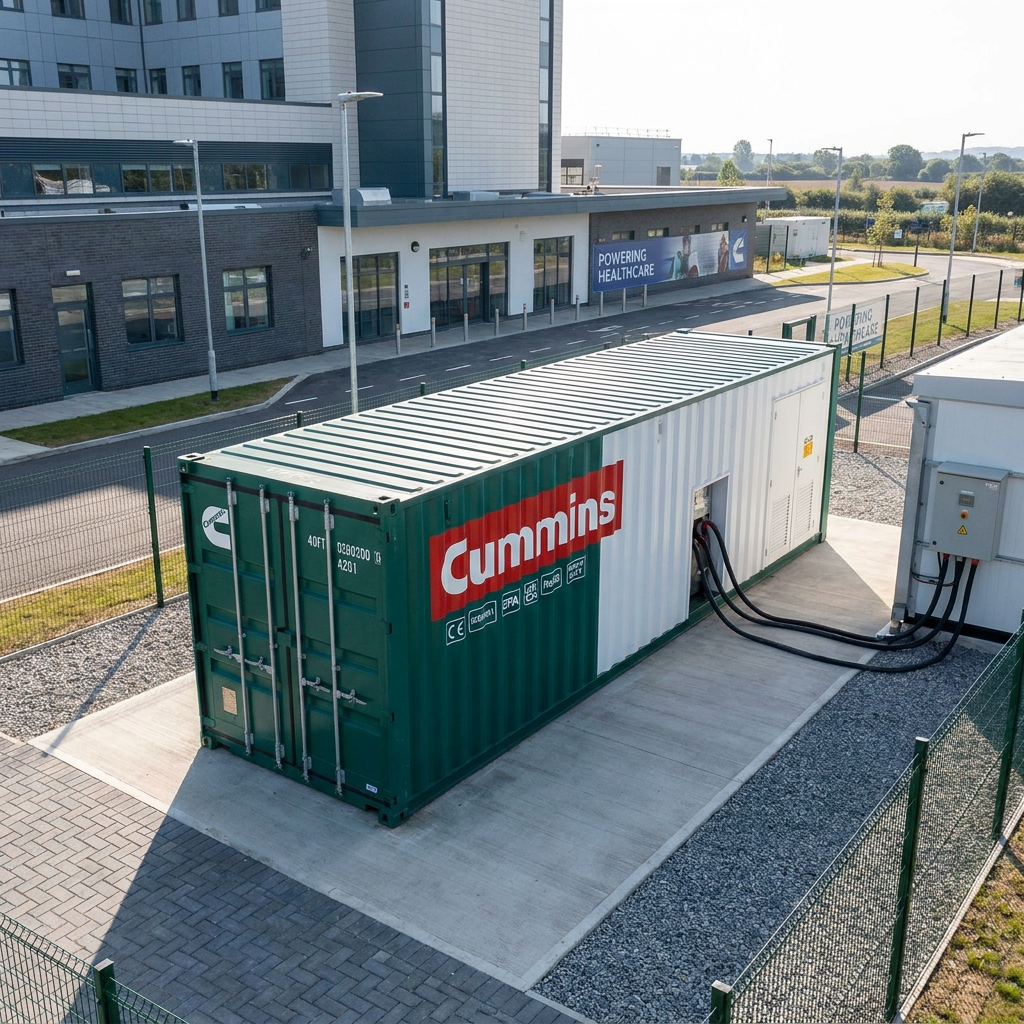
A container type diesel generator set (genset) is a complete, industrial-grade power generation system built into a modified ISO shipping container—typically 10, 20, or 40 feet long. Unlike traditional stationary generators that demand permanent installation and complex site preparation, this system arrives fully assembled and factory-tested. Simply position it on-site, make the necessary connections, and it's ready to deliver reliable power.
What sets container diesel gensets apart is their mobility and rapid deployment. There's no need for lengthy construction timelines or permanent infrastructure—the entire power generation unit travels with you. Whether you're managing a remote work site, responding to an emergency power shortage, or running a temporary industrial operation, a container diesel genset eliminates setup delays and gets your facility operational in hours rather than weeks.
Containerized Generator Technical Specifications
| Category | Specifications |
|---|---|
| Power Range | 200 kVA to 2,500 kVA single unit; 2-6 × 1,000kVA paralleling power plants available |
| Container Size Options | 20ft ISO (6,058×2,438×2,591mm) or 40ft ISO (12,192×2,438×2,591mm) |
| Container Certification | CSC (Container Safety Convention), CCS (China Classification Society), DNV optional |
| Container Construction | Cor-Ten steel structure, powder-coated, anti-skid floor plate, forced ventilation system |
| Acoustic Treatment | Internal acoustic lining ≤75 dB(A) at 7 metres standard; super-silent ≤72 dB option |
| Engine Options | Cummins QSZ13/QSK23/QSK38 / Perkins 2206C/4006/4012 / MTU 12V/16V Series 2000 / Baudouin 12M26 / Mitsubishi S12R/S16R |
| Alternator | Stamford HCI / Leroy-Somer LSA50 / Mecc Alte ECP44 / Acelite EPA |
| Control System | ComAp InteliGen NT (paralleling-capable) / Deep Sea 8660 |
| Included Systems | Main circuit breaker, DC starting batteries, battery charger, flexible exhaust bellows, external exhaust stack |
| Optional Systems | Automatic Transfer Switch (ATS), fuel day tank, SCADA remote monitoring, HV output transformer, fire suppression |
| Ventilation | Thermostatically controlled motorised louvers, axial exhaust fans |
| Standards | ISO 8528, ISO 1496-1(container), CSC, CE, IEC 60034 |
Key Features and Benefits
- Standardized Transport: Available in 10-foot, 20-foot, or 40-foot ISO containers, these gensets move seamlessly across continents via ship, rail, or truck—no special permits or oversized-load logistics required. This standardization makes global deployment straightforward and cost-effective.
- Plug-and-Play Setup: Every component you need is already integrated—engine, alternator, silencers, fuel tanks, ventilation, and control systems all work together as one cohesive unit. Connection is straightforward: position the container, attach your external power cables, and you're operational. No complex assembly, no missing parts, no guesswork.
- Weather & Corrosion Resistance: The robust steel or aluminum enclosure acts as a complete shield against the elements—rain, salt spray, extreme heat, and humidity all pose no threat to the internal machinery. This durability means your genset performs reliably whether deployed in tropical climates, coastal regions, or harsh industrial environments.
- Superior Soundproofing: Noise control is engineered into every container genset. Advanced sound-absorbing insulation combined with heavy-duty silencers keeps operational noise to a minimum—typically between 65 and 80 dB(A) at 10 meters. This makes container gensets suitable for noise-sensitive environments like residential areas, hospitals, and urban construction zones where traditional generators would face restrictions.
- Integrated Systems: Every system is factory-engineered and tested before delivery. Air-intake and exhaust pathways are optimized for efficiency, fuel tanks feature double-walled construction with integrated spill containment for environmental safety, and advanced control panels from manufacturers like Deep Sea and ComAp provide real-time monitoring, automatic load management, and remote diagnostics. Nothing is left to chance.
- Easy Maintenance: Maintenance is straightforward by design. Wide access doors provide technicians with full visibility and reach to all critical components, while interior lighting ensures safe inspection and service work. Built-in safety features—including explosion-proof lighting and integrated fire suppression systems—protect both equipment and personnel during routine maintenance and emergency situations.
Top Container Type Diesel Generator Brands
Containerized gensets offer extensive scalability, with power capacities ranging from 20kVA to over 3000kVA. These high-performance units are powered by world-class engines from industry-leading manufacturers, including:
- Cummins Power Systems
- Perkins Engines
- Volvo Penta
- Baudouin
- Weichai
- Yuchai
- MTU
- Deutz
Supported Customization Options
1. Oilfield Application Customizations
Oilfield-grade container gensets can be equipped with explosion-proof switches and lighting to eliminate ignition hazards in volatile atmospheres. Interior workbenches with integrated tool mounts streamline maintenance tasks, while strategically placed rope hooks secure cables and hoses. For mobile operations on uneven terrain, sled bases or climbing plow attachments provide enhanced stability. All explosion-proof components should carry ATEX/IECEx certification. Pressure-relief vents on the container roof prevent dangerous gas accumulation, and regular safety interlock testing ensures compliance with oilfield safety standards.
Mobile oilfield deployments benefit from sled bases or climbing plow attachments that maintain stability across rough, uneven terrain. All explosion-proof cabinets must meet ATEX/IECEx certification standards to ensure compliance with international safety regulations. Pressure-relief vents integrated into the container roof actively mitigate gas accumulation risks in hazardous environments. For oilfield-grade units, regular safety interlock testing is essential—these checks confirm that all protective systems function correctly and maintain operational integrity under demanding conditions.
2. Offshore Platform Adaptations
Marine environments demand specialized protection. Offshore container gensets must feature hermetic sealing to shield against salt spray corrosion. Silicone-based gaskets and marine-grade steel construction form the foundation of durability in these harsh conditions. Electric louvers equipped with moisture sensors intelligently manage airflow, automatically adjusting to maintain optimal humidity levels in the high-moisture offshore atmosphere.
Offshore installations face extreme weather and corrosive salt environments. Wave-impact-resistant mounting brackets absorb storm forces and reduce structural strain on the container frame. Specialized corrosion-resistant coatings protect exhaust systems from accelerated degradation. Request independent salt fog testing reports (conducted per ASTM B117 standards) to verify long-term durability. Interior dehumidifiers actively prevent condensation buildup that could damage electrical components, ensuring reliable operation throughout the unit's service life in maritime conditions.
Application Scenarios for Diesel Generator Container
1. Large-Scale Outdoor Engineering Projects
Construction sites with demanding power needs—500kVA and above—benefit significantly from container gensets. These high-capacity units deliver the sustained power required by heavy equipment including cranes, concrete mixers, and compressors. The fully weatherproof enclosure ensures uninterrupted operation regardless of site conditions—rain, dust storms, and extreme temperatures pose no threat to continuous power delivery, keeping projects on schedule.
Urban construction environments demand noise control. Select container gensets with soundproofing rated below 65 dB to comply with local noise ordinances and minimize disruption to surrounding neighborhoods. Mobile configurations mounted on sled bases allow quick repositioning as work zones shift, maximizing flexibility on congested job sites. Before transport, verify CSC (Container Safety Convention) certification to ensure legal road compliance. Implement regular load testing throughout the project to confirm the genset maintains full capacity and prevent unexpected power shortfalls during critical construction phases.
2. School Campus Power Solutions
Educational institutions benefit from container gensets in multiple ways. During power outages, these systems maintain critical functions—lighting, heating, cooling, and food service—ensuring student safety and operational continuity. For outdoor events like sports competitions, graduations, and festivals, container gensets provide flexible power without permanent infrastructure. Dual voltage configurations (120/240V) seamlessly integrate with school electrical systems, powering everything from classroom lighting to kitchen equipment. Lockable access panels are essential for child safety, preventing unauthorized access to high-voltage components while allowing authorized personnel quick maintenance access.
Temporary events on school grounds—athletic competitions, outdoor concerts, graduation ceremonies—require rapid power deployment. Mobile container gensets with quick-connect interfaces eliminate complex wiring and setup delays, allowing events to proceed on schedule. Noise-reduced models ensure that generator operation doesn't disrupt classroom instruction or nearby residential areas. Strategic maintenance scheduling during school breaks—summer vacation, winter holidays, spring break—keeps the genset in peak condition without interfering with educational activities or student safety.
3. Hospital Emergency Power Systems
Hospital environments depend on container gensets as critical lifelines. These systems provide immediate backup power to life-support equipment, surgical suites, and emergency departments when the main grid fails. Automatic Transfer Switches (ATS) detect power loss and activate the genset within seconds—a response time that can be lifesaving. Dual fuel tank configurations extend runtime during extended outages, ensuring hospitals maintain power for as long as needed without interruption to patient care.
Hospital-grade container gensets must prioritize patient comfort and equipment protection. Ultra-quiet models rated at 60 dB or lower eliminate noise stress on patients and staff during critical care. Precision-engineered anti-vibration mounts isolate the genset from the building structure, preventing vibrations that could interfere with sensitive diagnostic and life-support equipment. Exhaust systems must meet stringent hospital air quality standards to protect indoor air quality and patient health. Establish a monthly testing schedule to verify full operational readiness—these regular checks confirm that your backup power system will perform flawlessly when lives depend on it.
Steps for Installing a Diesel Generator Container
1. Site Preparation
Begin installation by assessing the site foundation. The ground must be stable and level—use compacted soil or pour a concrete base to ensure proper positioning. Maintain at least 1 meter of clearance on all sides of the container. This spacing is critical for two reasons: it allows adequate airflow around the unit to prevent overheating, and it provides technicians with safe access for routine maintenance and emergency repairs.
2. Electrical Connections
Electrical connections must follow the manufacturer's specifications precisely. Select copper cables sized appropriately for your generator's power output—undersized cables create fire hazards and efficiency losses. Secure all terminal connections tightly to eliminate resistance and prevent arcing. Before energizing the system, conduct a comprehensive grounding test to verify that all protective earth connections are sound. This critical step eliminates electrical hazards and ensures your container genset operates at peak performance and safety.
3. Ventilation Requirements
Proper ventilation is essential for sustained performance. Verify that your installation meets ISO 8528 standards for generator ventilation systems. Keep all air intake and exhaust pathways completely clear of obstructions—blocked vents cause dangerous temperature buildup and reduce efficiency. If natural outdoor airflow is limited, install weatherproof louvers to maintain adequate circulation. Establish a regular maintenance schedule to clean dust filters around the container; accumulated debris restricts airflow, causes overheating, and significantly shortens equipment lifespan.
Additional Tips
- Label emergency shutdown switches clearly.
- Use anti-vibration mounts under the diesel generator container.
- Document all installation steps for future audits.
Container Type Diesel Genset
Frequently Asked Questions
What are the key benefits of diesel generator containers?
These systems prioritize fast deployment with modular designs for quick setup. They include eco-friendly features like emission controls and noise reduction. Their all-in-one structure also lowers maintenance costs while improving operational stability.
What power range do diesel generator containers cover?
Standard units deliver 500kW–3,000kW. A 20ft diesel generator container typically supports up to 1,000kVA. For 40ft models or applications needing precise climate control, capacities often exceed 1,250kVA.
How to select the proper diesel generator container size?
Assess your peak power demand first. Consider the local climate (e.g., extreme heat/cold) and required runtime. For precise sizing, request a load analysis from your supplier.
Can diesel generator containers meet ISO specifications?
Yes. Certified ISO-compliant designs. Custom configurations adapt to ISO transport and safety rules.
Which fuels work best with these systems?
Most use standard diesel. In sub-zero climates, you may need winter-grade diesel to avoid fuel thickening. Some models support biodiesel blends for reduced emissions.
Containerized Generator Set Solutions
Custom container type diesel gensets offer highly durable, transportable, and all-weather power solutions ideal for remote sites and industrial applications. Built within rugged ISO-standard 20ft or 40ft containers, these units house high-capacity engines (500kW to 3000kW), complete with soundproofing, integrated fuel systems, and custom climate control